Alexandra Leslie
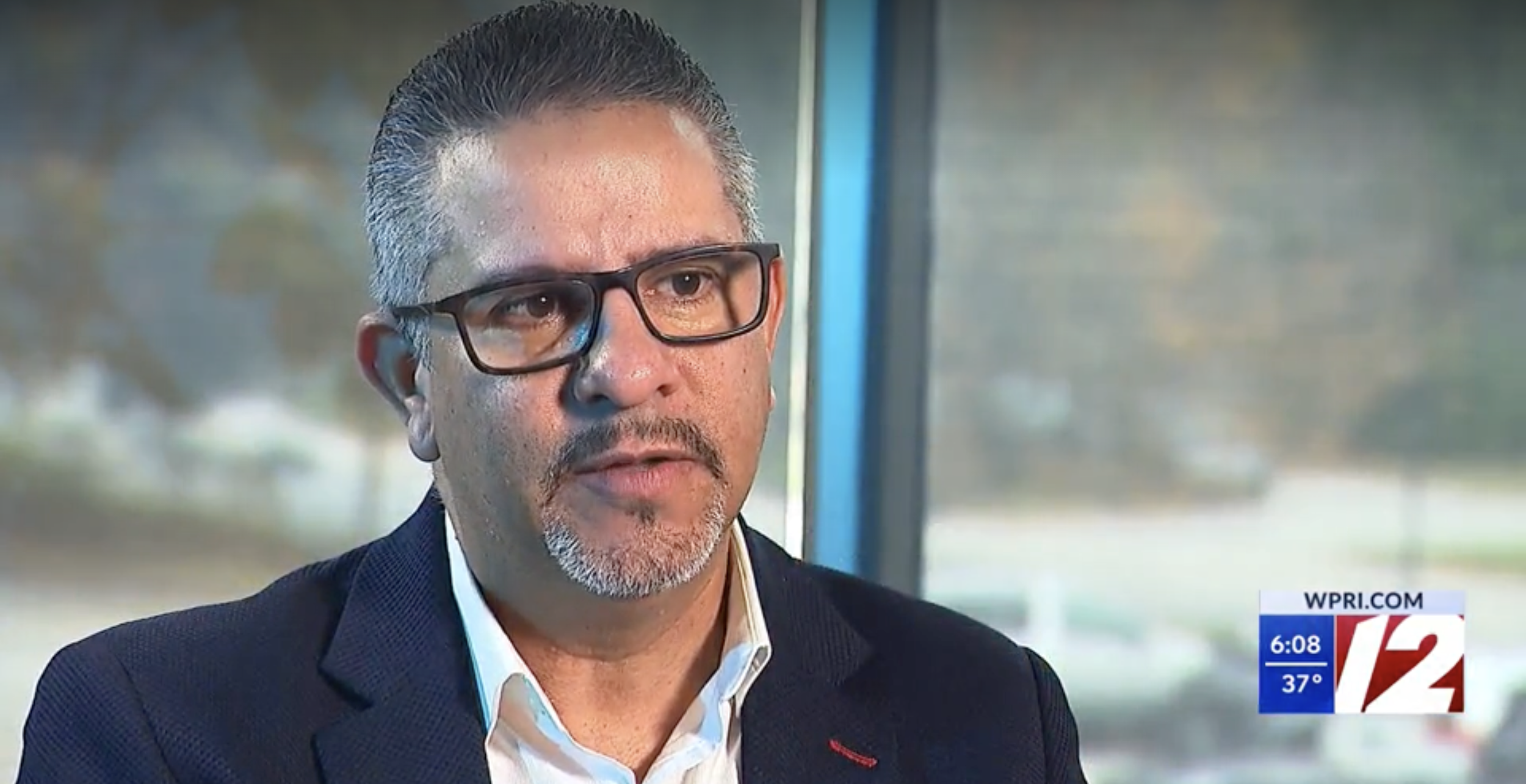
PROVIDENCE, R.I. (WPRI) — A dual-language K-12 school and an early-college, career and technical education high school are among brand-new charter proposals being considered in Rhode Island.
The R.I. Department of Education in May launched a Request for Proposals for new or expanded charter schools hoping to open next fall.
Two brand new schools — De La Comunidad Bilingual School and New England Technical Academy (NETA) — are being considered, while expanded programming at PVD Prep in Providence and The Greene School in West Greenwich are also up for discussion.
Later this month, R.I. Education Commissioner Angélica Infante-Green is slated to bring her recommendations to the R.I. Council on Elementary and Secondary Education, which is responsible for charter school approval, renewal and revocation.
De La Comunidad Bilingual School
The vision for De La Comunidad was co-created by Carol Aguasvivas, president of Community Angels, and Victor Capellan, founder and CEO of the Rhode Island Education Collective.
The school would serve students from Cranston, Pawtucket and Providence. If approved, Capellan said the school would open in 2027 with 140 seats for grades K-2, and would grow to serve 668 students in grades K-12 by 2034.
“Having a K-12 model is a great opportunity because you get to know the students, you get to know the family,” Capellan said. “And especially in language development, you want to see that continuum of learning, making sure that the students fully develop in both languages.”
Capellan told Target 12 that the state’s growing number of multilingual learners inspired the need for new dual-language curriculum, where students would be able to learn both English and Spanish.
RELATED: RIDE updates regulations as number of multilingual learners nearly doubles
“We have seen here in Rhode Island that students who are part of some of our dual-language programs have better results,” Capellan said. “What we’re saying is, if we know that this is working, [that] dual-language programs work, then let’s expand.”
Capellan said the proposal utilizes a “full-service community model” to provide wraparound services, like health care or mental health services, job training, and more.
“We want to be able to partner with anyone that’s already serving the students that will come to our school, so they don’t have to go out and seek those services, that those services will come to the school for them,” Capellan explained.